Here is a quiet trap that catches careful, sensible business owners every day. Spending money on cybersecurity feels expensive, and putting it off feels free. So the decision to wait gets made over and over, not as a real choice but as the absence of one. The protection sits on the someday list, and someday keeps moving.
The problem is that the math runs the other way. Doing nothing is not the free option. It is just the option where the bill arrives later, all at once, and far larger. I want to walk through that math plainly, because once you see what waiting actually costs, the decision to act stops feeling like an expense and starts looking like the obvious financial move it is.
Why "later" feels free and why it isn't
The reason waiting feels safe is that nothing bad is happening today. There is no invoice for the breach you have not had yet, no visible consequence for the password you have not changed. Our brains are wired to weigh a certain cost now against an uncertain cost later, and to discount the later one heavily. So a known monthly expense loses to an unknown future risk, even when the future risk is far bigger.
But "uncertain" is not the same as "unlikely." For small businesses, the odds have shifted hard. Attacks are now overwhelmingly automated, which means criminals are not choosing targets one by one. They are sweeping across thousands of businesses at once, looking for open doors. Recent figures put the share of small businesses hit by a cyberattack near half in a single year. This is no longer a rare event you might dodge. It is closer to a weather pattern you need to be built for.
So the real comparison is not "spend money" versus "spend nothing." It is "a manageable, predictable cost now" versus "a large, unpredictable cost on a day you do not get to choose."
What the bad day actually costs
When people imagine a breach, they picture the ransom or the stolen funds and stop there. That direct theft is real, but it is often the smallest part of the bill. The full cost lands in layers.
There is the direct loss: the money wired to a criminal, the funds drained, the ransom paid. Studies of small business incidents now put the average total cost in the range of a quarter of a million dollars. For most small businesses, that is not a line item. It is an existential number.
There is the downtime. While systems are locked or being rebuilt, the business often cannot operate. Jobs are missed, orders go unfilled, clients wait. For many small businesses, several days of being unable to work does more damage than the theft itself.
There is the recovery and cleanup: the specialists brought in, the systems rebuilt, the legal and notification obligations, the time you and your team pour into the mess instead of into the work that makes money.
There is the trust cost, which is the one that lingers. Clients who learn their information was exposed do not always come back. A reputation built over years can take a serious hit in a week. For businesses that run on referrals and relationships, this is often the wound that does not fully heal.
And there is the hardest number of all. A significant share of small businesses that suffer a major breach do not survive the year that follows. The combination of direct loss, downtime, and lost trust is simply more than a small operation can absorb. The bill does not just hurt. For too many, it closes the doors.
The comparison no one runs
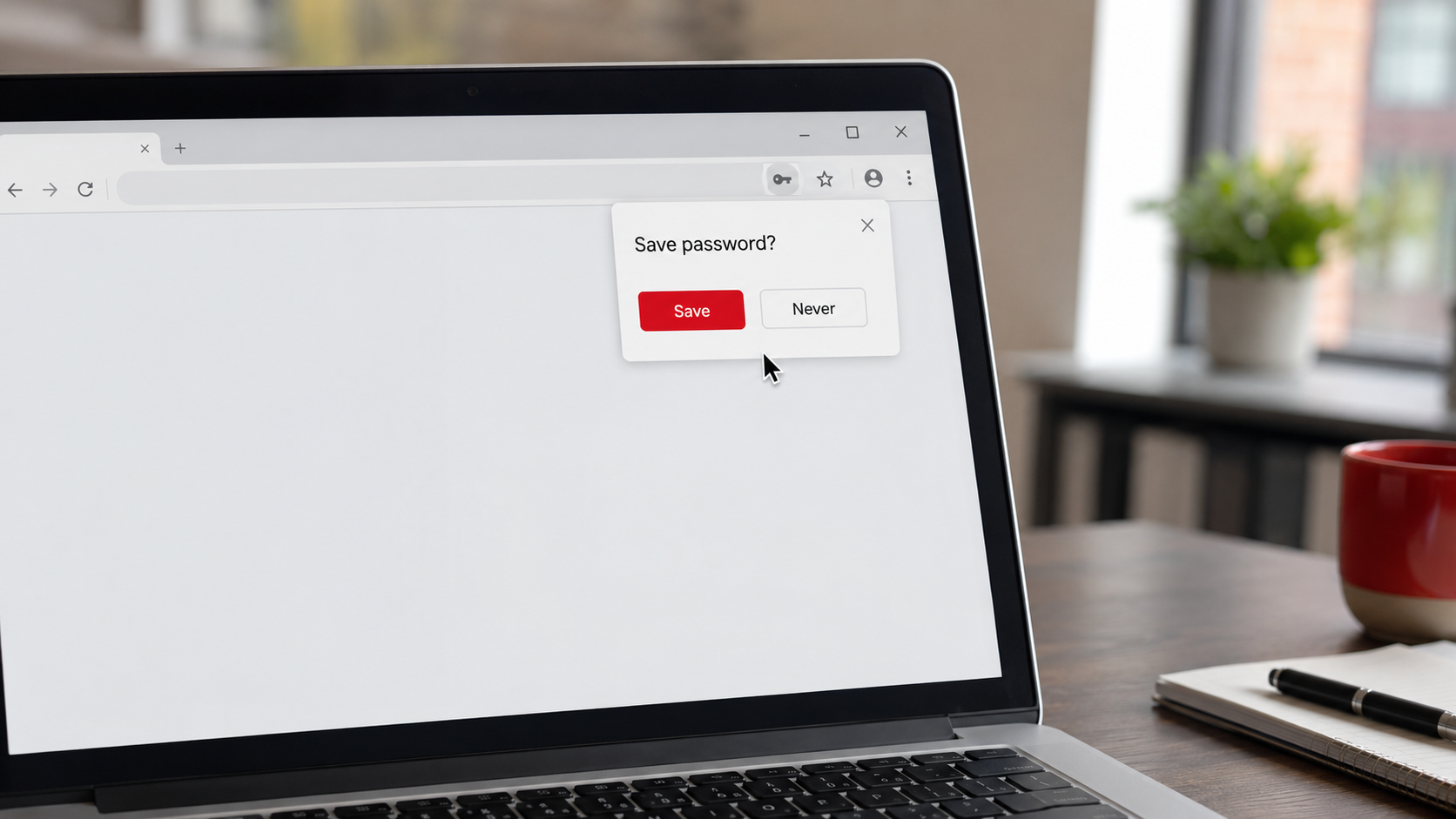
Now set that against the cost of preventing it. The protections that stop the large majority of these attacks are not exotic or enormously expensive. Turning on multi-factor authentication is usually free. A password manager costs a few dollars a month. Modern device protection, email security, tested backups, and a written plan are ongoing costs, but they are predictable, modest, and small next to a single bad day.
This is the comparison that almost never gets made, because the two costs show up at different times. The prevention cost is visible and now. The breach cost is invisible and later. So they never sit side by side on the same page. Put them there, and the choice is not close. You are weighing a known, manageable monthly cost against a potential loss that can end the business. No reasonable owner, seeing both numbers at once, picks the gamble.
Protection, viewed honestly, is not a cost center. It is one of the cheapest forms of insurance you can buy, with the difference that it works by preventing the loss rather than reimbursing you after it.
How we think about it
This is why we built Red Door Shield the way we did, around a simple framework called KIT: Keep, Inspect, Trust. Keep what is valuable secure, which mostly means strong logins and protected devices. Inspect what is coming in, which means a system watching your email and your network so your team does not have to catch everything by hand. And trust through validation, which means you verify important requests instead of assuming. KIT exists so that you do not have to become an expert. It works like an autopilot, handling the routine security in the background so you can focus on running your business.
What ready looks like
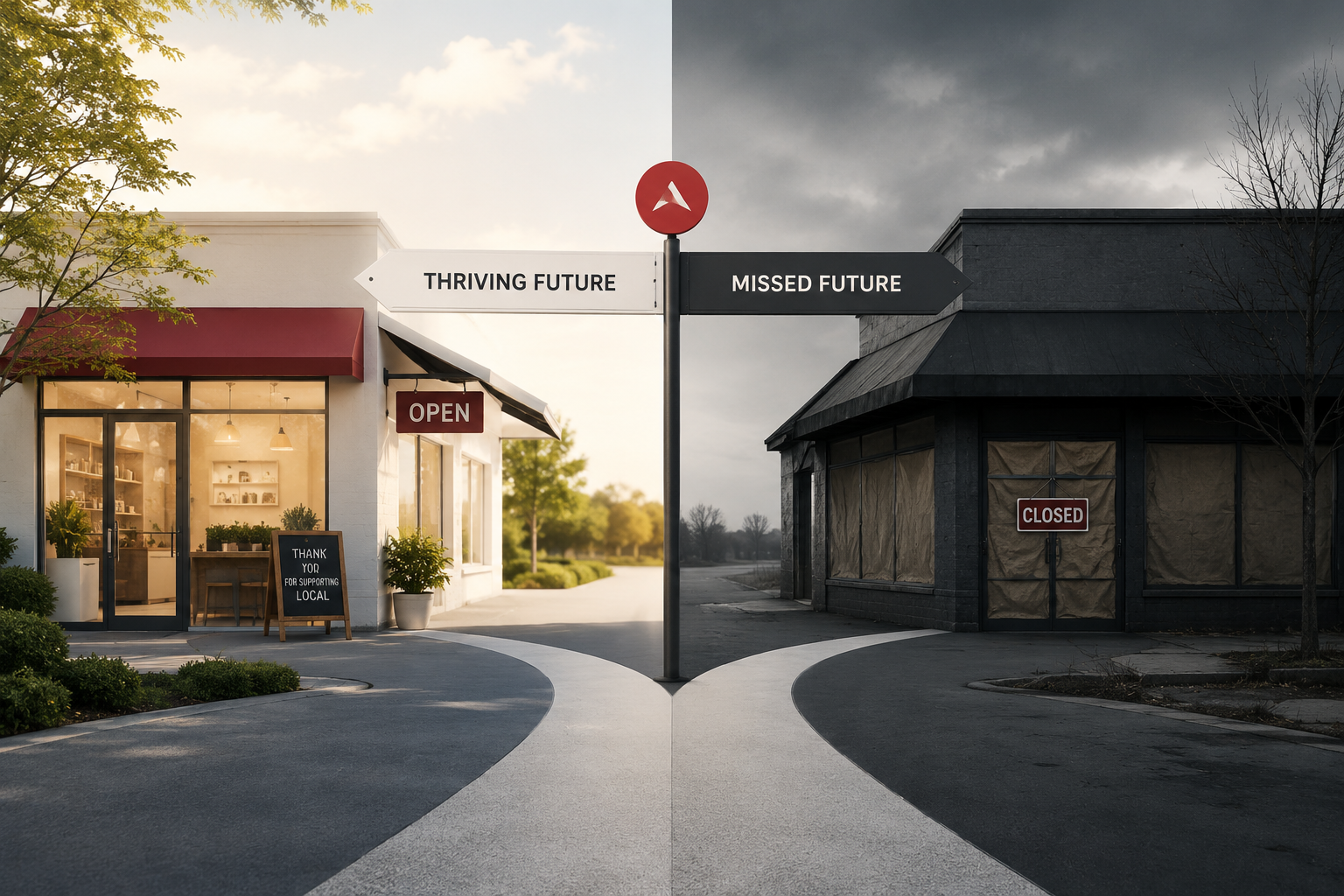
Picture two versions of next year. In one, you never got around to it, and a single automated attack found the open door, and you spent the year and a large sum recovering from something that took a criminal a few minutes to start. In the other, you spent a modest, predictable amount, the attack hit the same wall every attack hits, and it became a non-event you barely noticed.
The difference between those two years is not luck. It is a decision, and it is one you can make this week. That is what ready feels like: not hoping the bad day never comes, but knowing that when it does, it bounces off.
You have already done the hard part, which is building something worth protecting. The remaining step is small by comparison, and waiting only makes it bigger. If you want to see the real numbers for your business, what you are exposed to and what it would take to close the gaps, that is a conversation worth having now, while it is still a budget line and not a crisis.
Review our 8-point cybersecurity checklist, learn about cyber insurance requirements, or read our guide on why cybersecurity feels overwhelming.
Know Where Your Business Stands
Our free Business Security Assessment gives you a clear picture of your current security posture in less than 10 minutes. No technical knowledge required. No jargon. Just honest answers.
Not sure where your business actually stands?
Take our free Business Security Assessment. In under 10 minutes, you will know exactly where your gaps are and what it would take to close them.
Get My Free Security Assessment