How to Spot a Phishing Email Before Someone Clicks
Learn how to identify red flags in suspicious emails before clicking, protect your team from email scams, and build a verify-first culture.
Key Takeaways
- 1Why phishing remains the #1 way cybercriminals target small businesses
- 2How to check the sender's actual email address rather than just the display name
- 3Why manufactured urgency and unexpected requests are major red flags
- 4How hovering over links reveals the real destination before you click
- 5The 10-second callback verification rule for any request involving money or logins
- 6How to empower your team to report suspicious messages without fear of blame
Related Resources
Share this video
Ready to Know Where You Stand?
Most businesses do not know where their cybersecurity gaps exist until something goes wrong. Schedule a Security Assessment to identify risks before they become costly problems.
Schedule My Security AssessmentRelated Videos
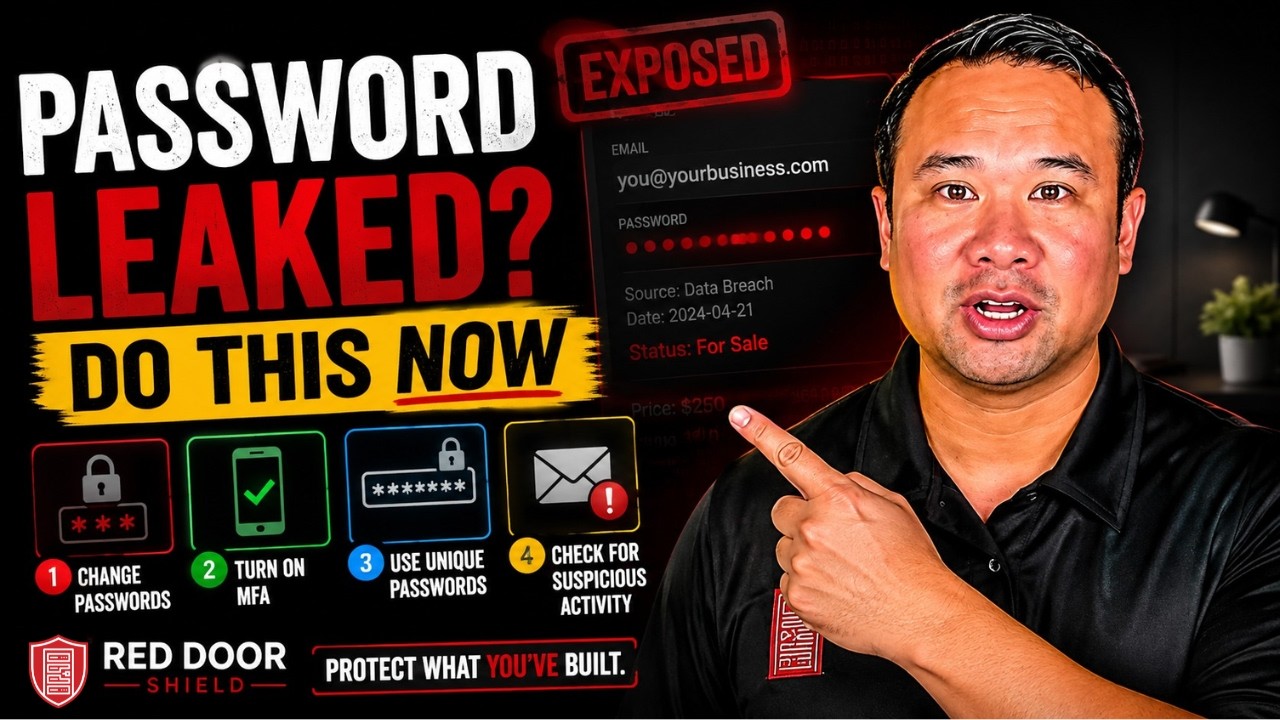
Your Business Password Was Leaked. Here's What to Do.
Your business password was leaked. Now what? Learn what to do when you discover a business password has been exposed, why password reuse is dangerous, and the 4 immediate steps to take.
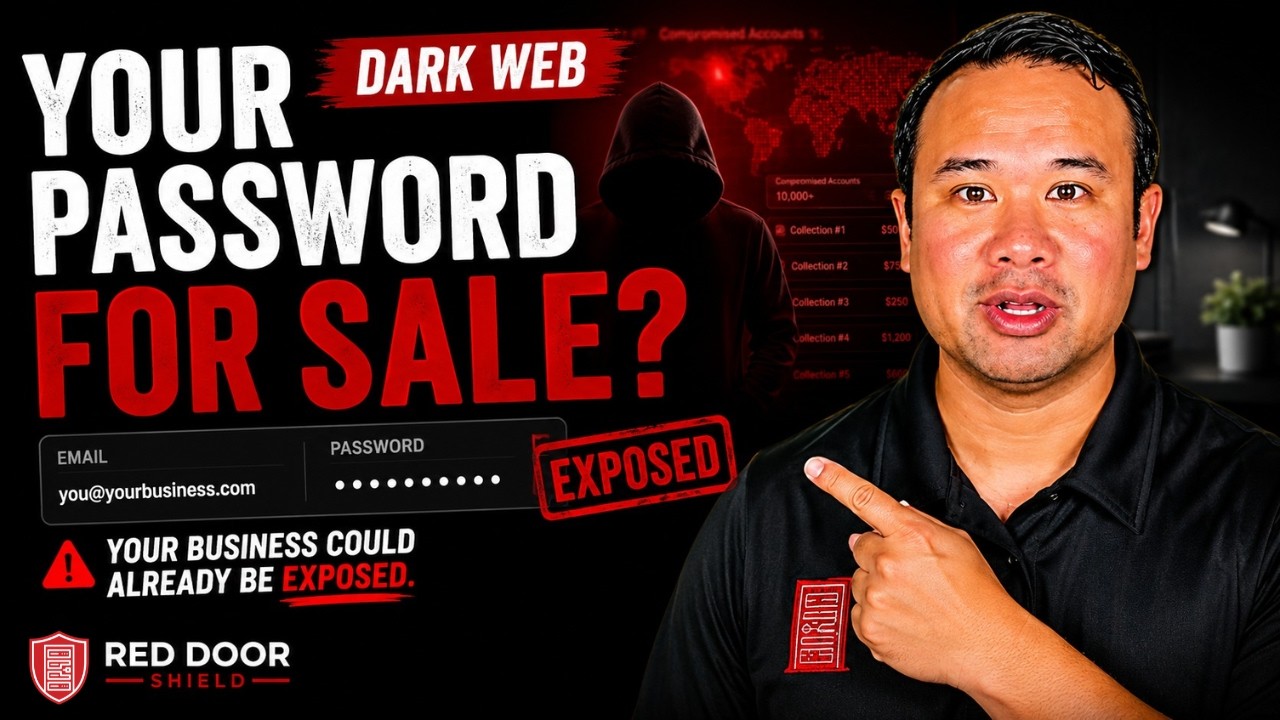
Is Your Business Password Already on the Dark Web?
Learn how business passwords end up on the dark web through third-party breaches, why most owners never know they've been exposed, and how to check your business for free.
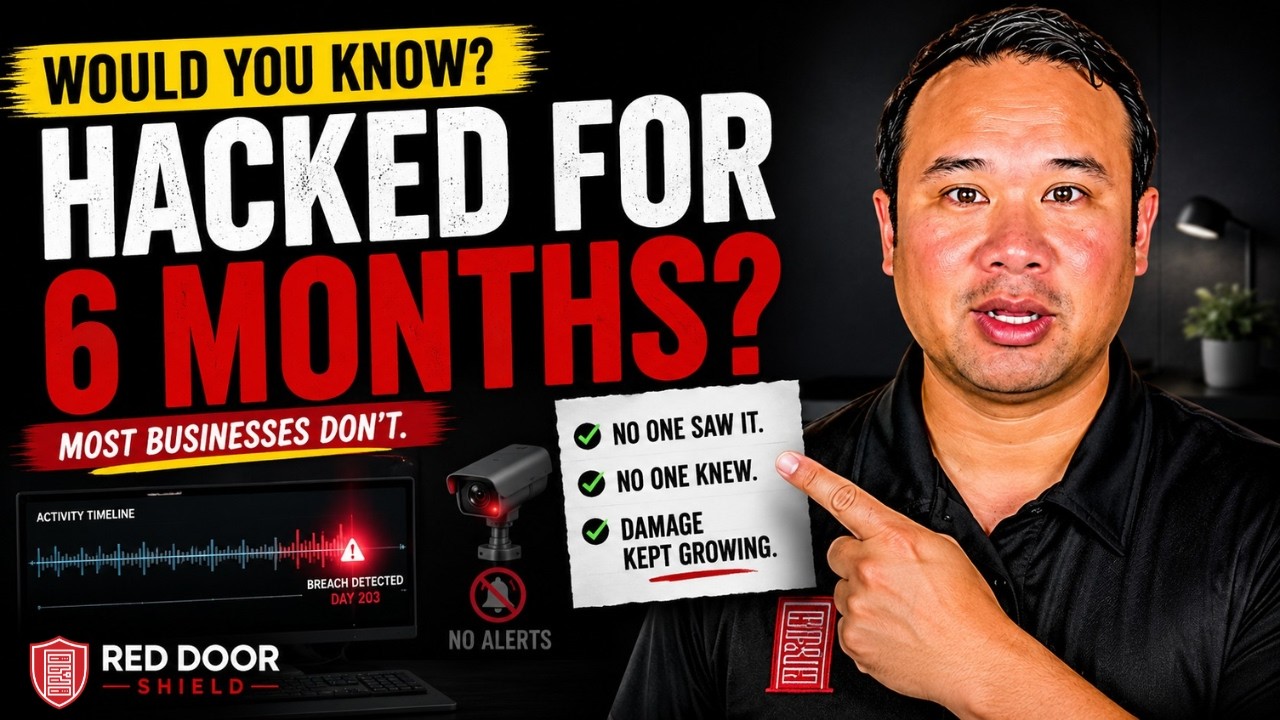
How Do You Know If You've Been Hacked?
For most small businesses, the answer is uncomfortable: they may not know for months. Learn why detection is the cybersecurity capability many are missing.
Get New Videos Delivered to Your Inbox
Join our community of business owners who receive our latest cybersecurity videos and practical guidance directly in their inbox.
We respect your privacy. No spam, ever.